If you’ve ever experienced jaw pain, clicking or popping when you open your mouth, or frequent tension headaches, you may have wondered whether TMJ disorder (temporomandibular joint disorder) runs in your family. It’s a good question — and understanding the possible hereditary connection can help you be proactive about your jaw health.
At Overland Park Family Dental, Dr. Creighton Gallagher works with many patients managing symptoms of TMJ disorder and often addresses this exact concern. Let’s take a closer look at what the research says about heredity, what else can contribute to TMJ disorder, and what you can do if symptoms arise.
What Is TMJ Disorder?
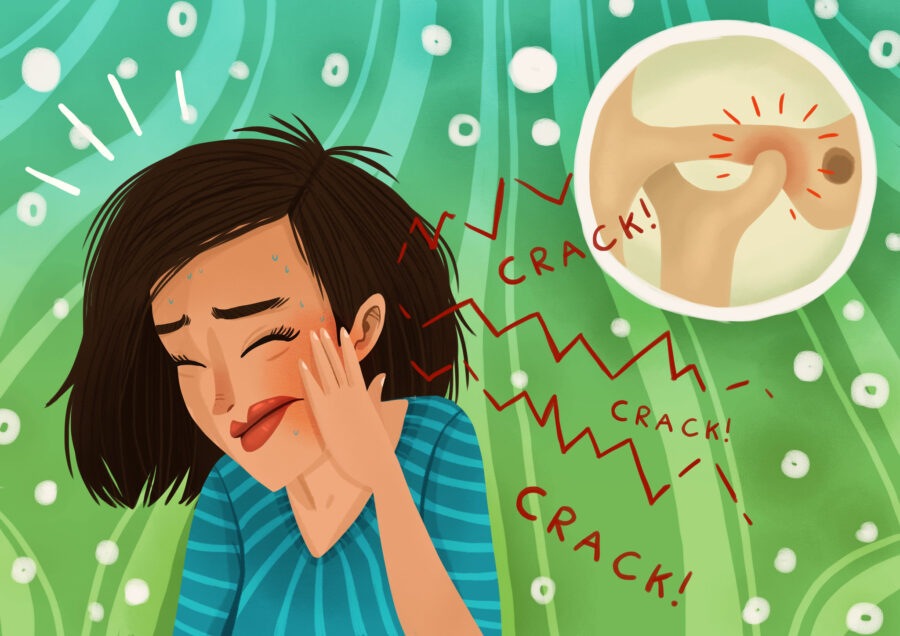
The temporomandibular joints are the small but complex hinges that connect your lower jaw to your skull. They let you speak, chew, yawn, and move your jaw in multiple directions. When those joints (or the muscles around them) become irritated or don’t work properly, it can lead to a group of symptoms known as TMJ disorder.
Common signs include:
- Jaw pain or stiffness
- Clicking, popping, or grinding sounds when moving the jaw
- Locking of the jaw joint
- Headaches or neck pain
- Pain while chewing
TMJ disorder can be temporary or long‑term and often has more than one underlying cause.
Is TMJ Disorder Hereditary?
There’s no single gene that causes TMJ disorder, but research suggests a possible hereditary component. In other words, certain inherited traits might make someone more susceptible — especially when combined with other risk factors.
Genetic influences might include:
- Jaw structure or bite alignment
- Connective tissue differences
- Muscle response and tension tendencies
If several people in your family have had jaw pain or been diagnosed with TMJ disorder, your risk may be slightly higher. But heredity alone doesn’t guarantee that you’ll develop it — and people without any family history can still experience symptoms.
What Else Can Contribute to TMJ Disorder?
In most cases, TMJ disorder is influenced by a mix of lifestyle, anatomical, and environmental factors, such as:
- Teeth grinding and clenching: One of the most common contributors.
- Bite misalignment: Uneven contact can strain the joint over time.
- Repetitive habits: Gum chewing, nail biting, or resting your chin in your hand.
- Injury or trauma: Past accidents can affect the TM joints, even years later.
- Stress and tension: Often leads to unconscious clenching or tight jaw muscles.
- Arthritis: Conditions like osteoarthritis or rheumatoid arthritis can affect jaw function.
In short, TMJ disorder tends to be multifactorial — heredity might be one factor, but it’s rarely the only one.
Recognizing TMJ Disorder in Its Early Stages
Even mild symptoms can benefit from early intervention. Pay attention to:
- A jaw that clicks or locks occasionally
- Soreness after chewing or long conversations
- Tension headaches or ear discomfort without a clear cause
- Discomfort when opening wide
If any of these sound familiar, it’s worth having Dr. Gallagher evaluate your jaw function and bite alignment. The earlier we catch TMJ disorder, the easier it is to manage and prevent further damage.
How We Can Help at Overland Park Family Dental
Treatment for TMJ disorder depends on what’s driving the symptoms. At our office, we take a personalized, conservative approach. That might include:
- Custom nightguards to prevent nighttime clenching and grinding
- Adjustments to your bite or dental work that’s placing strain on your jaw
- Recommendations for stress management or physical therapy
- Monitoring symptoms over time to determine if further steps are needed
We focus on comfort, function, and long‑term protection — not just masking the symptoms.
TMJ Treatment at Overland Park Family Dental
If you’ve noticed signs of TMJ disorder and you know it’s something others in your family have dealt with, don’t ignore it. Genetics might increase your risk, but that doesn’t mean the outcome is set in stone.
With awareness, early care, and the right support, you can manage symptoms effectively and protect your jaw joints for years to come.
Call Overland Park Family Dental today to schedule a consultation with Dr. Creighton Gallagher. We’ll help you understand your symptoms, explore your options, and put together a convenient treatment plan that supports lasting comfort and function — with or without a family history.
Image from Authority Dental under CC 2.0